Light to Heavy-Duty Transmission, Differential
& Clutch Service in Southern California
2-Year Unlimited-Mileage Warranty
Free Pickup & Delivery
50+ Years of Experience
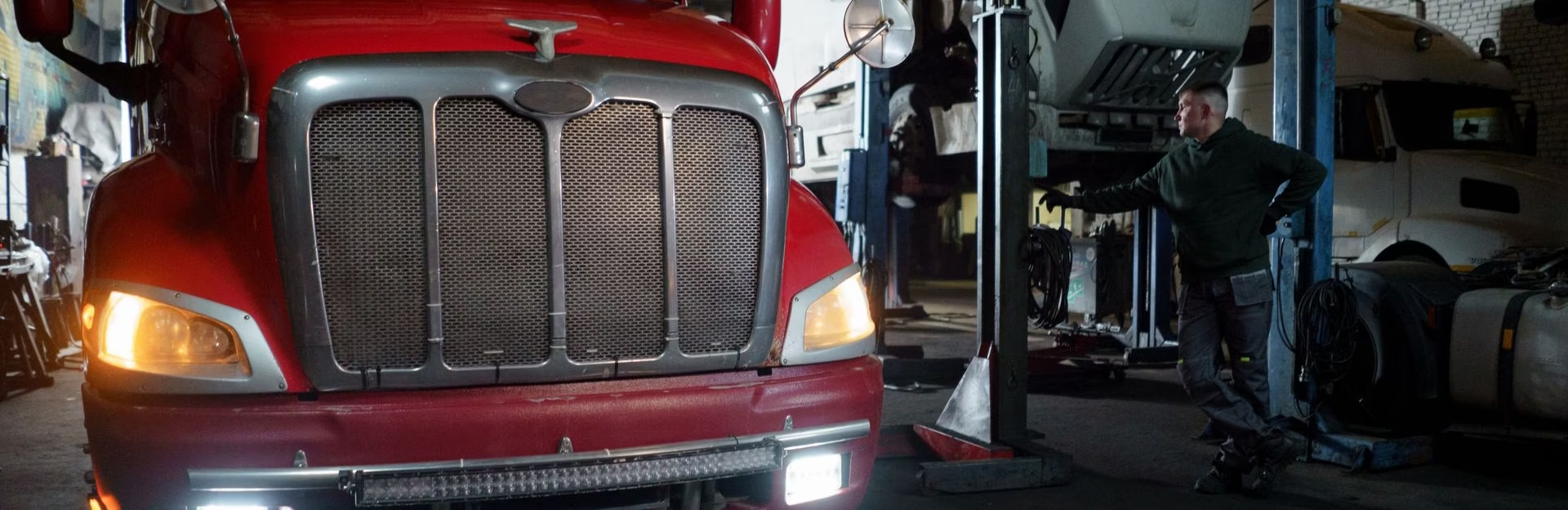
Orange County Gear & Clutch Center provides professional gear and clutch repair in Orange County, CA, specializing in drivetrain services for cars, trucks, and other vehicles. Our experienced technicians provide differential, transmission, and clutch repair and replacement, and gear and drivetrain services designed to keep your vehicle performing reliably.
From worn gears and clutch problems to differential noise and transmission issues, we diagnose the problem and provide dependable repair solutions. For quality gear, clutch, differential, and transmission repair in Orange County, trust Orange County Gear & Clutch Center for knowledgeable service and professional workmanship.
Orange County Gear & Clutch Center
Honest Service. Clear Answers.
Quality Repairs.
Vehicle repairs can be stressful, especially when you don’t know what caused the problem or how much it will cost.
Our approach is simple:
Diagnose it. Explain it. Repair it.
Whether you’re dealing with a slipping transmission, a worn clutch, differential noise, or another drivetrain concern, we’re here to help. We’ll communicate what we find, discuss your repair options, and help you make an informed decision about your vehicle.
Orange County Gear & Clutch Center
When your vehicle isn’t shifting right, making unusual noises, or struggling to put power to the wheels, you need a repair shop that understands what’s happening beneath the surface.
At Orange County Gear & Clutch Center, we specialize in transmission, differential, clutch, and drivetrain services for drivers throughout Southern California. Our technicians carefully diagnose the problem, clearly explain your options, and perform the repairs your vehicle actually needs. Don’t ignore the warning signs. Get your vehicle checked before a small problem becomes a major repair.







Why Choose Orange County Gear & Clutch Center?
When your vehicle has a gear, clutch, differential, or transmission problem, you need a repair shop with the experience and knowledge to diagnose the issue properly. Orange County Gear & Clutch Center has over 50 years of experience and provides specialized services for customers throughout Orange County, CA, with a focus on dependable repairs and quality workmanship.
- It has been family-owned and operated. Owners are always on the premises.
- Personalized Service with FREE pickup and FREE Delivery.
- We offer the highest-quality service and a 2-year unlimited-mileage warranty.
Specialized Gear & Clutch Experience
Our services focus on the components that keep your vehicle moving, including gears, clutches, differentials, transmissions, and drivetrain systems.
Professional Diagnosis & Repair
We take the time to identify the source of the problem before recommending a repair. Whether you’re experiencing unusual noises, slipping, shifting problems, vibration, or other drivetrain concerns, proper diagnosis is the first step toward the right solution.
Differential & Gear Repair
A noisy or damaged differential can affect vehicle performance and drivability. We provide differential and gear repair services to address worn, damaged, or malfunctioning drivetrain components.
Clutch & Transmission Services
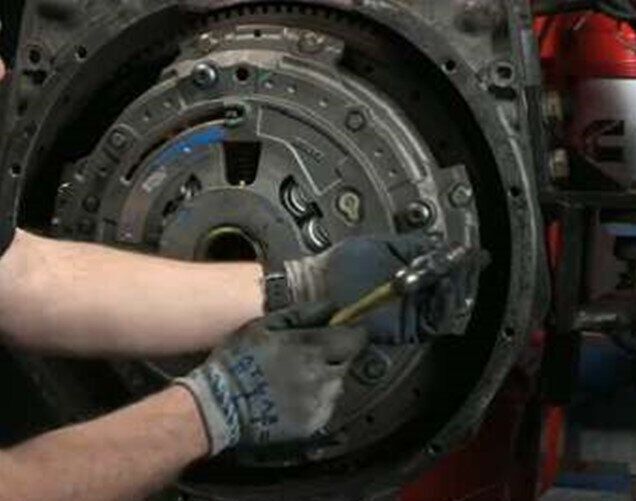
From clutch problems to transmission issues, our team provides clutch repair, clutch replacement, and transmission repair services for a variety of vehicles.
Quality Workmanship You Can Trust
We know repairs are essential to your vehicle’s safety, performance, and reliability. That’s why we focus on careful workmanship, accurate diagnosis, and repairs designed to get your vehicle back on the road.
Located in Orange County, we proudly serve local drivers looking for dependable gear and clutch repair, differential, and transmission services. Our goal is to provide knowledgeable service and superior repair solutions for every customer.
Some of our Suppliers





Call us Today –(714) 224-1800 or Text Us @ (714) 333-6008
Or Email us Using The Form Below, and We Will Get in Touch Shortly.

Office Hours: Mon – Fri 8:00 am – 5:00 pm
Free Pickup & Delivery
We pick up and deliver from San Diego to Bakersfield and Los Angeles to the Desert.
Saturday and emergency services are available upon request.